




Subukia
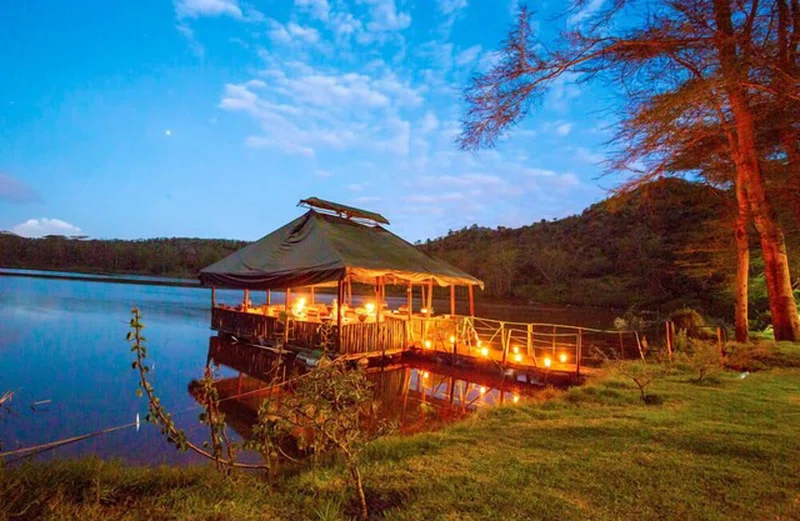
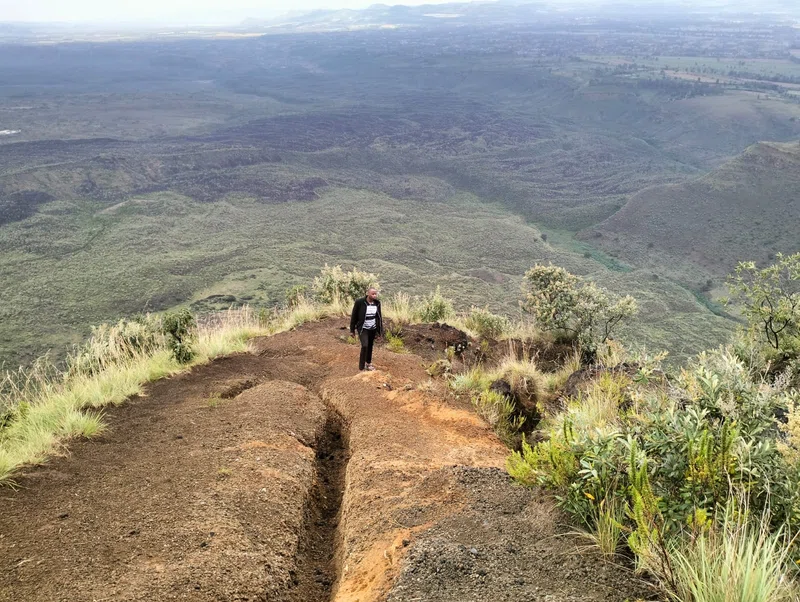
Subukia is a significant region in Kenya, primarily known for the Subukia National Shrine, also called the Village of Mary, Mother of God. Situated atop the Subukia Hills within the Great Rift Valley, approximately 140 kilometers northwest of Nairobi and 40 kilometers from Nakuru, the shrine spans 200 acres and serves as a revered place of peace, prayer, reconciliation, and rest for both Christians and non-Christians alike. Established in 1983 by Cardinal Maurice Michael Otunga, the shrine is managed by the Kenya Episcopal Conference and cared for by Conventual Franciscan Friars. Key features include the Shrine Church, a Grotto Chapel at the base of the hill housing a statue of Mary and Jesus carved from a jacaranda tree, and the "Way of the Cross," a stony path with 14 stations leading pilgrims to a miraculous spring site at the hill's summit. This spring, blessed in 2010, is believed by many visitors to possess healing powers. Descending from the spring, pilgrims can follow "The Way of the Rosary," another stony path featuring 20 stations depicting the four mysteries, offering scenic views of the shrine compound and the broader Subukia area.Beyond the shrine, Subukia also refers to an electoral constituency in Nakuru County, covering an area of about 402 to 424.25 square kilometers. As of the 2019 census, the constituency had a population of 85,164 people, divided into three wards: Kabazi, Subukia, and Waseges. The local economy is predominantly based on small-scale subsistence agriculture, with common crops including maize, pyrethrum, cabbages, tea, coffee, french beans, wheat, potatoes, and tomatoes. Dairy farming is also practiced, and the area hosts a privately owned tea factory, two flower farms, and a milk processing plant, alongside small-scale trading and transport businesses.However, the Subukia National Shrine and its surrounding environment face significant threats from degradation. The adjacent Subukia Forest, once rich in wildlife such as antelopes, colobus monkeys, and various bird species, has suffered extensive deforestation due to illegal logging and human encroachment. This environmental damage has led to a hotter, less friendly climate, impacting local agriculture and causing the rapid disappearance of the holy springs, which are crucial water sources for the Subukia River and ultimately Lake Baringo. Droughts, intensified by climate change, further imperil these springs. Despite these challenges, the local church and shrine management are actively engaged in educating communities on conservation and undertaking tree reforestation efforts to protect this vital spiritual and natural heritage for future generations.
Quick Info
Own this place?
Claim it to manage photos, respond to visitors, and promote it to travelers.
Claim this listing →





2 Days Lake Bogoria & Lake Nakuru Safari
0.0 km away
2 Days Lake Nakuru Safari from Kisumu
0.0 km away
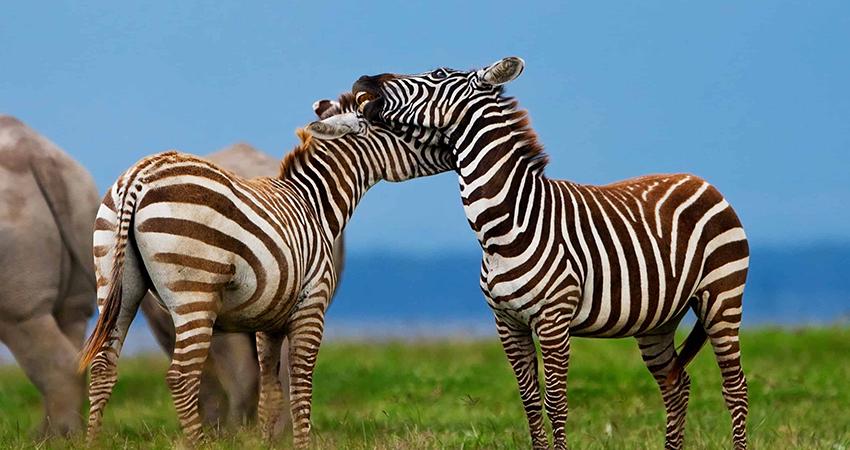
4 Days Masai Mara – Lake Nakuru Lodge Safari
0.0 km away
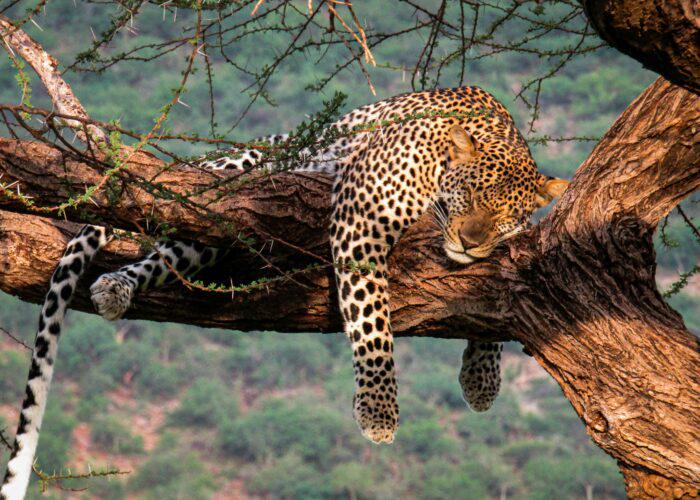
4 Days Holiday Safari: Masai Mara, Lake Nakuru
0.0 km away
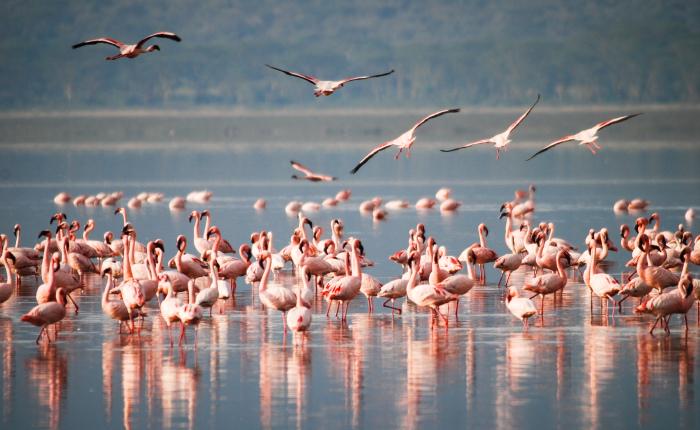
Lake Nakuru Day Trip
0.0 km away
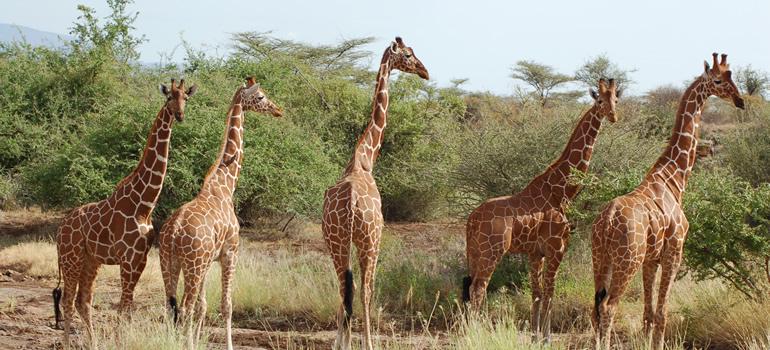
4 Days Samburu & Lake Nakuru Camping Safari
0.0 km away
Weather & Rainfall Patterns
Station: 2n359e · 25.3 km away · 1523m