


Kibera Slum
Kibera is a vast informal settlement, commonly known as a slum, situated approximately 6.6 to 7 kilometers southwest of Nairobi city center, Kenya. It spans an area of about 2.5 square kilometers. While historical population estimates have varied significantly, from over a million to 170,070 in the 2009 Kenya Population and Housing Census, more recent studies indicate a population ranging from 200,000 to 275,000 people. The settlement is geographically organized into numerous villages, including Kianda, Soweto East, Gatwekera, Kisumu Ndogo, Lindi, Laini Saba, Silanga, Makina, Salama, Ayany, and Mashimoni. The Nairobi River and Nairobi Dam form much of its southern boundary, and the Uganda Railway Line traverses its central area.Life in Kibera is marked by extreme poverty, with many residents subsisting on less than US$2 per day. The area faces high unemployment rates and a severe lack of basic services such as clean water, sanitation, electricity, and healthcare. Homes are typically small, windowless shacks, often measuring 12ft x 12ft, constructed from mud walls, corrugated tin roofs, and dirt or concrete floors, frequently housing multiple individuals. The prevalence of open sewers and the practice of using "flying toilets" contribute to significant pollution and the widespread occurrence of diseases like cholera, typhoid, and malaria. The average life expectancy in Kibera is notably low, around 30 years, a statistic influenced by high infant and youth mortality rates and elevated HIV infection rates.Despite these challenging living conditions, Kibera is recognized as a vibrant community, home to resilient, entrepreneurial, and passionate individuals. Residents engage in diverse informal economic activities, including operating small shops, hair salons, repair services, and selling food items. Education is highly valued, with many children attending informal schools, reflecting a strong aspiration for improved opportunities. Various community initiatives and non-governmental organizations are actively involved in slum upgrading efforts, providing essential services, health clinics, and educational programs. However, progress is often slow and encounters substantial obstacles such as crime, unstable ground for construction, and difficult terrain. A defining characteristic of Kibera is the strong sense of community and mutual support among its families.
Quick Info
Own this place?
Claim it to manage photos, respond to visitors, and promote it to travelers.
Claim this listing →









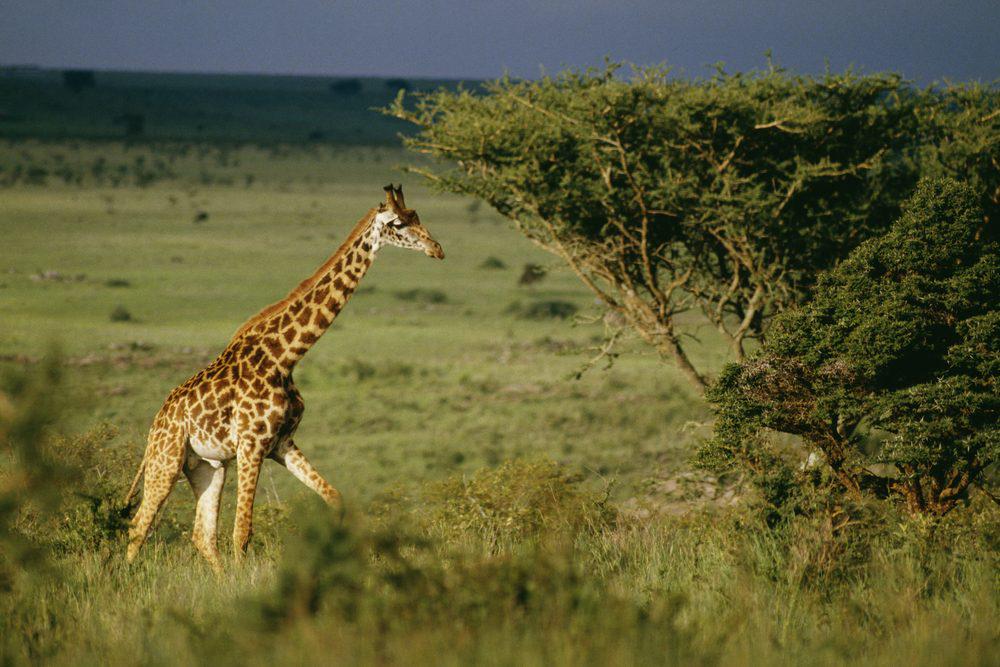
Nairobi National Park Tour
0.0 km away
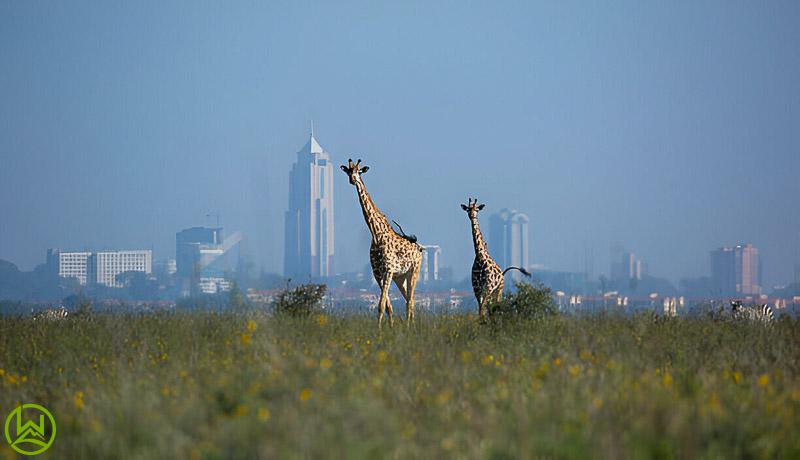
Nairobi National Park Morning Game Drive Safari
0.0 km away

Nairobi National Park 1 Day Tour
0.0 km away

Nairobi National Park 1 Day Tour
0.0 km away

Giraffe Center Day Tour
0.0 km away

The Bomas of Kenya Day Tour
0.0 km away
Weather & Rainfall Patterns
Station: 14s369e · 31.2 km away · 1627m