Attraction in Egypt
Pyramid of Pepi II
About Pyramid of Pepi II
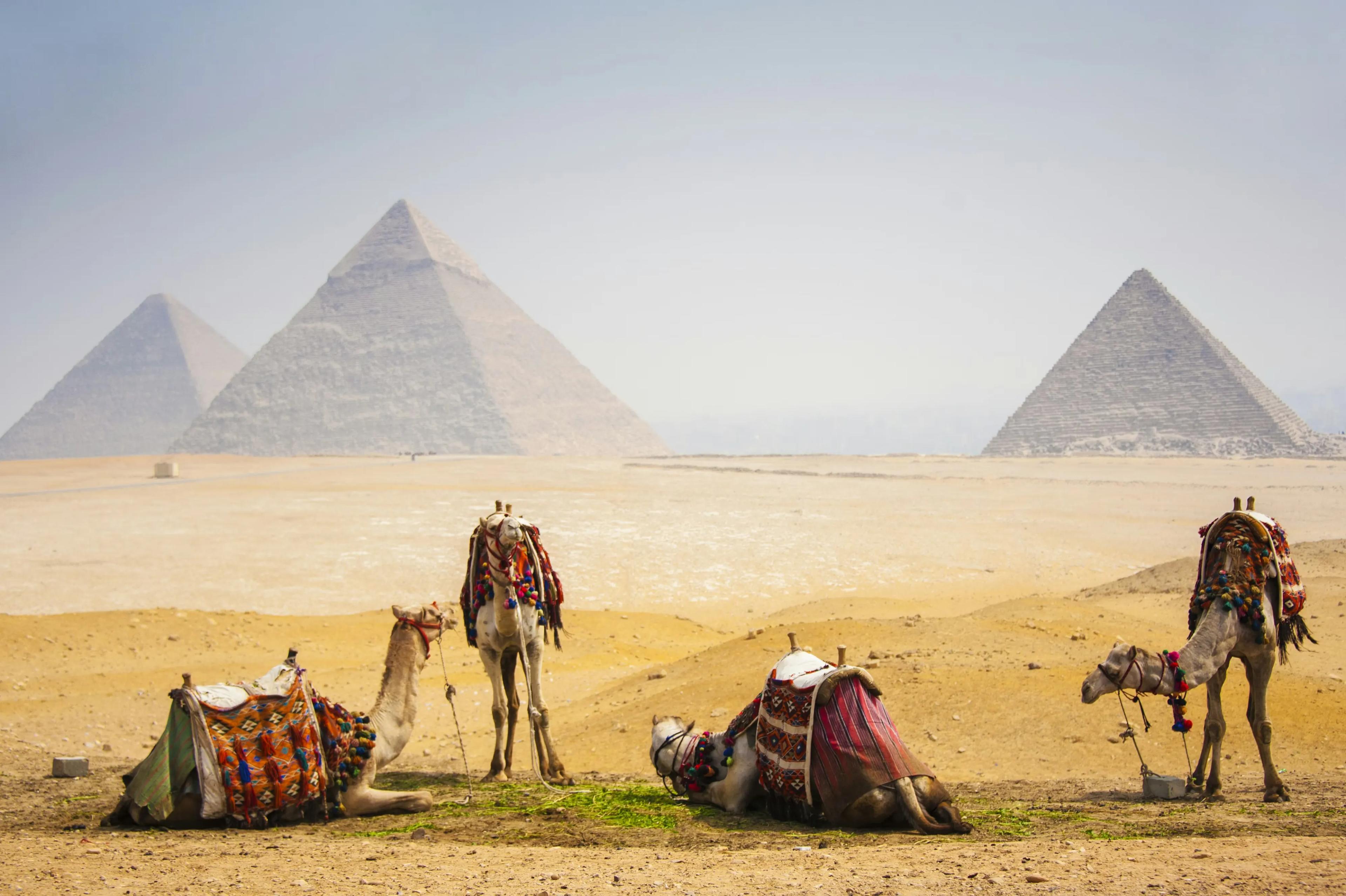
The Pyramid of Pepi II, located in southern Saqqara, Egypt, served as the tomb for King Pepi II (Neferkare) of the Sixth Dynasty, who reigned for an exceptionally long period, estimated at 94 years. Constructed around 2250 BC, it represents the final complete pyramid complex built during Ancient Egypt's Old Kingdom traditions. The pyramid stands approximately 52.4 meters (172 feet) high with a base of 78.75 meters (258.4 feet) and is situated about three miles south of Djoser's Step Pyramid, potentially influencing later Middle Kingdom pyramid builders.
The complex is extensive, encompassing the main pyramid, a smaller Ka pyramid, and three queen's pyramids dedicated to Wedjebten, Neith, and Iput II, each with their own cult complexes. A 400-meter (490-foot) covered causeway connects the valley temple, which is uniquely positioned on a large quay that once dominated a harbor linked to Memphis by a canal, to the mortuary temple. The valley temple featured ramps, entrances, and a pillared hall, with surviving decorative fragments depicting the king being received by gods, celebrating victories, and engaging in hunts. The mortuary temple, similar in design to those of earlier dynasties but with some new features, included a ceremonial court with eighteen quartzite pillars, five cult chapels, and a hall containing Pepi II's false door. Its decorations illustrate the king receiving offerings and leading battles.
The main pyramid's superstructure was originally composed of six steps, clad in fine white limestone. Excavations revealed inconsistencies in construction quality, leading to structural issues and the subsequent addition of a buttress wall around the base. The subterranean section of the pyramid features a descending passageway from the north face, blocked by granite, leading to an entrance hall with a ceiling painted with stars. A horizontal corridor, adorned with Pyramid Texts, connects to a funerary antechamber and the burial chamber, which lies directly beneath the pyramid's center. The burial chamber's walls are extensively covered in Pyramid Texts, with the western wall featuring a stylized palace facade. Pepi II's greywacke sarcophagus, nearly three meters long and inscribed with his royal titulary, was found within the chamber, though it shows signs of hurried completion, and the king's mummy has never been recovered.