

Lake Babati
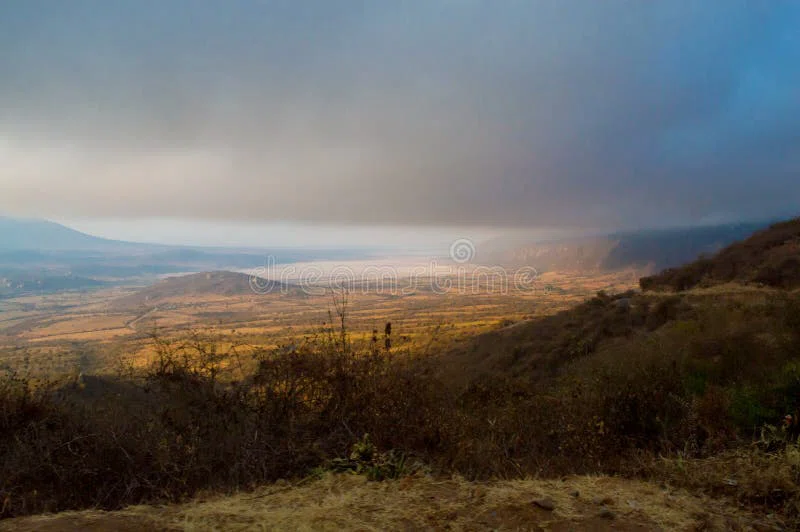
Lake Babati is a significant freshwater lake nestled in the Manyara Region of northern Tanzania, situated near the town of Babati. It lies approximately 150 to 172 kilometers south of Arusha, positioned to the west of the Great Rift Valley. The lake's surface area has been reported with some variability, with figures ranging from an average of 7 square kilometers to 21 square kilometers, and up to 60 square kilometers in some accounts. It typically spans about 10 kilometers in length and 3 kilometers in width, reaching a maximum depth of 5 meters. The surrounding landscape is characterized by a series of undulating hills and mountains, forming part of the East African Rift Valley Highlands, with altitudes varying from 950 to 2450 meters above sea level. The region's soils are primarily volcanic, encompassing sandy loam and clay alluvial types, with alkaline soils prevalent in the flatter areas around the lake.The lake is particularly renowned for its substantial population of hippos, although recent droughts have unfortunately led to a decrease in their sightings. Beyond its iconic hippos, Lake Babati is a crucial habitat for a diverse array of bird species, including pelicans, cormorants, and herons, making it an attractive destination for birdwatching enthusiasts. The waters are rich in various fish species, such as tilapia and Nile perch, supporting local fishing activities often conducted using traditional canoes. Visitors can also enjoy boat trips, photography, and peaceful picnics along the lake's shores. The cultural landscape surrounding Lake Babati is vibrant, with commercial and farming communities coexisting alongside traditional cattle-herding tribes, offering a unique insight into local life.In addition to its ecological and recreational value, Lake Babati plays a vital role as a primary water source for an estimated 100,000 residents of Babati town, underscoring its considerable socioeconomic importance to the region. The lake's water levels are highly susceptible to climatic fluctuations, with historical records documenting significant changes, including severe floods that have impacted Babati town and periods of near-complete desiccation. These hydrological shifts are influenced by both natural climate variability and increasing human pressures within the catchment area, such as deforestation, agricultural expansion, and rising water demand. The optimal period for visiting Lake Babati is during the dry season, which spans from June to October, offering more stable weather conditions for exploration and activities.
Quick Info
Own this place?
Claim it to manage photos, respond to visitors, and promote it to travelers.
Claim this listing →



Weather & Rainfall Patterns
Station: 45s353e · 36.9 km away · 1703m