
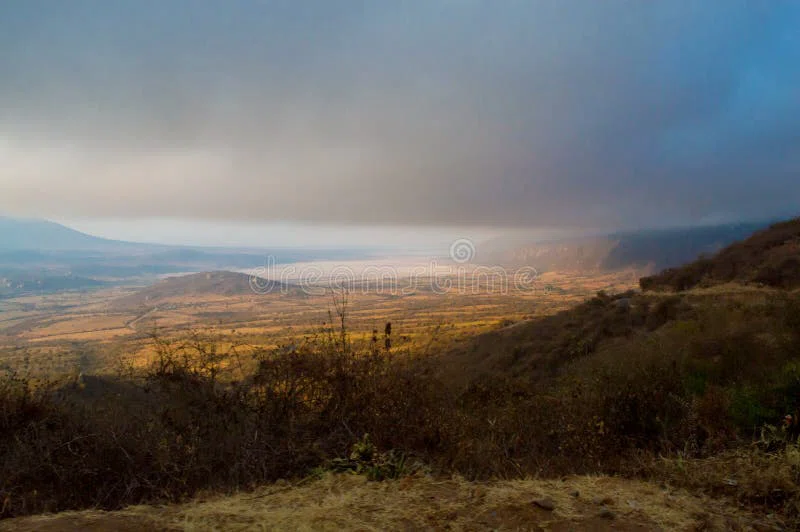
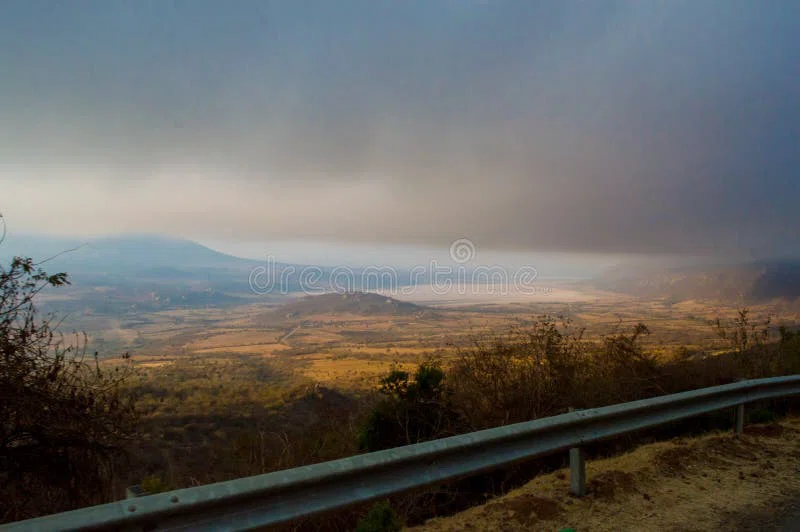
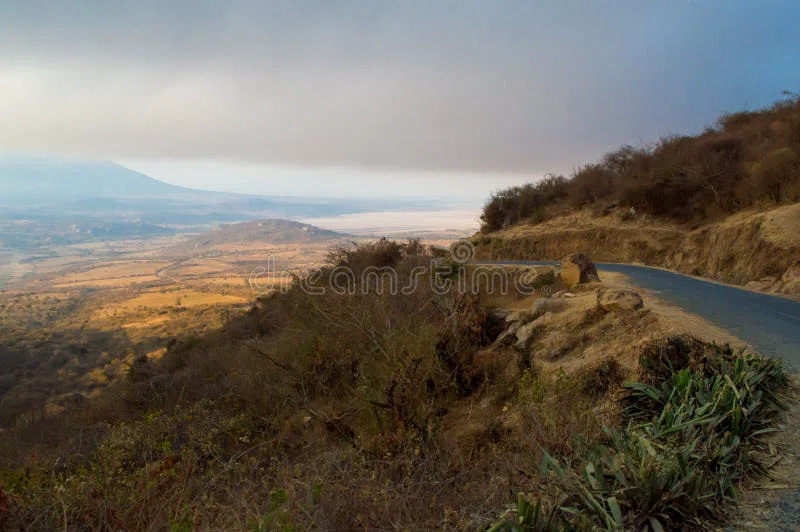
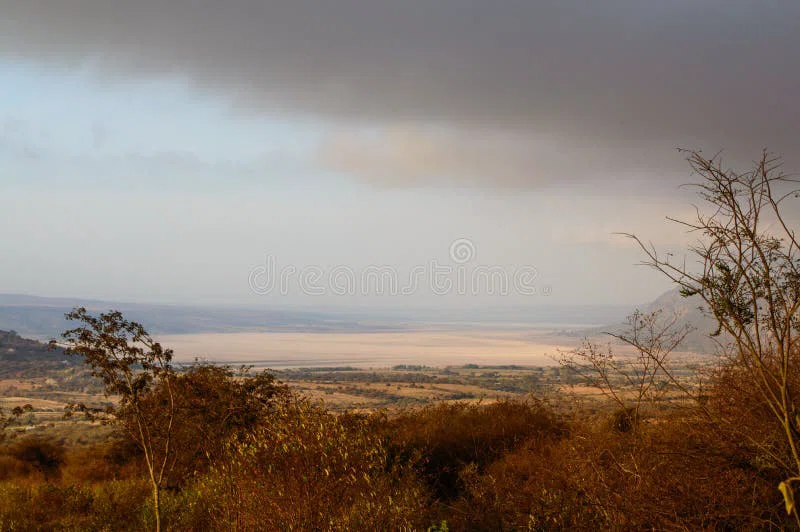
Lake Balangida
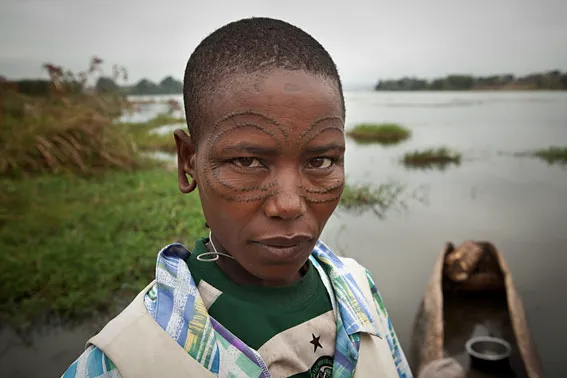
Lake Balangida is a shallow alkaline lake situated in the Hanang District of the west Manyara Region, within the Natron-Manyara-Balangida branch of the East African Rift in north-central Tanzania. This natural wonder spans approximately 50 square kilometers, with depths that can reach up to 20 meters in certain areas. Its geographical coordinates are around 4°20′S 35°20′E. The surrounding land is actively used for agriculture and grazing. The lake is fed by freshwater springs that emerge from the volcanic rock formations in the vicinity. Its shoreline presents a varied landscape, ranging from rugged, rocky cliffs on the eastern side to gentle, sandy beaches on the western shores, all set against the backdrop of the towering Rift Valley escarpments. During the dry season, the lake's landscape is notably characterized by brownish water and visible piles of salt, a result of local mining activities. Mount Hanang is a prominent natural landmark nearby.Lake Balangida is a vibrant ecosystem, teeming with diverse plant and animal life unique to the Rift Valley. Its waters are home to various fish species, including the Nile tilapia. The shores attract numerous wading birds, such as flamingos, drawn by the abundant food sources and protected habitat. The terrestrial areas, featuring lush grasslands and acacia woodlands, provide a habitat for iconic African mammals like the African elephant, the elusive leopard, and the graceful Maasai giraffe. The region's rich birdlife also includes species like the colorful lilac-breasted roller and the majestic martial eagle. Visitors can engage in activities such as guided safaris and walking tours for wildlife viewing, or enjoy water-based pursuits like canoeing, kayaking, and stand-up paddleboarding on the calm lake waters. The surrounding landscapes also offer opportunities for hiking and trekking.The lake holds deep historical and cultural significance for the local communities, serving as a vital source of sustenance, transportation, and cultural identity for centuries. Its name, derived from the Maasai language, translates to "the place where the waters meet." Historically, it was a significant hub for trade and cultural exchange, with the indigenous Maasai people holding it in high regard and integrating it into their traditional practices. The lake is also a crucial source of salt, which is mined by local villagers and distributed to Tanzania, Rwanda, and Burundi. The area around Lake Balangida is designated as a nature preserve, and visitors are required to pay an entrance fee.
Quick Info
Own this place?
Claim it to manage photos, respond to visitors, and promote it to travelers.
Claim this listing →


Weather & Rainfall Patterns
Station: 45s353e · 24 km away · 1703m