
Thyolo Mountains
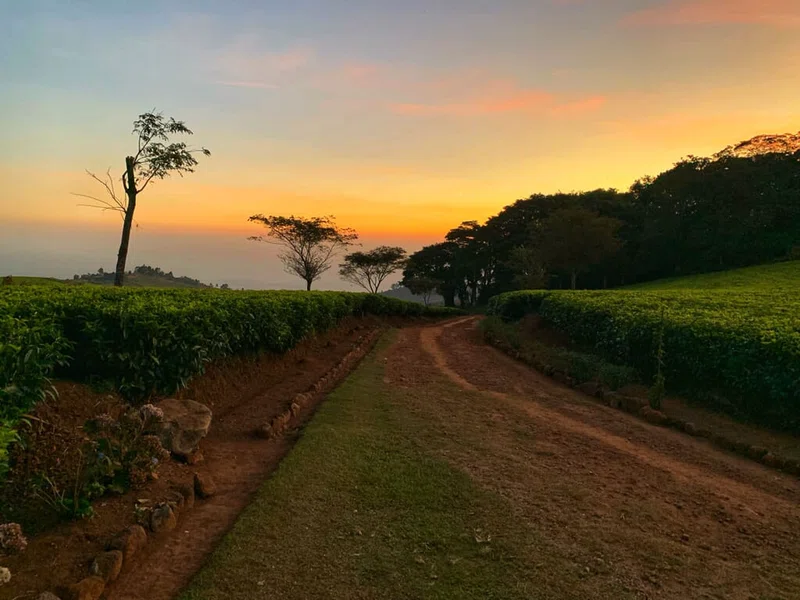
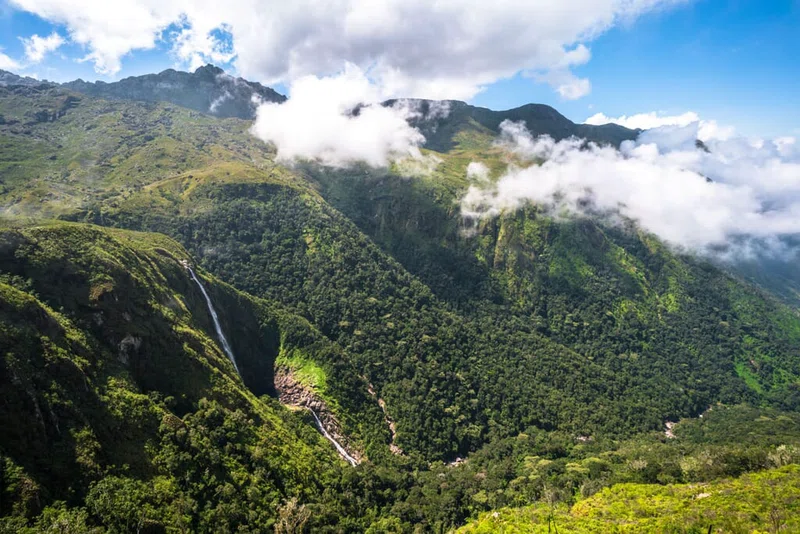
Thyolo is a district located in the Southern Region of Malawi, nestled within the Shire Highlands. This area is geographically positioned between the city of Blantyre to the north and the impressive Mount Mulanje to the east, bordering Nsanje to the south. The name "Thyolo" originates from the Chichewa word "m'tolo," signifying a place of stones or a rocky area, a fitting description for its terrain characterized by undulating hills, rocky outcrops, and a generally sloppy landscape interspersed with mountains and river valleys. The region experiences a tropical climate, with a rainy season from November to April and a cooler, dry season from May to October, receiving an average annual rainfall of approximately 1,125 mm.The landscape of Thyolo is notably defined by its extensive tea and coffee estates, some of which have been in operation since the early 1900s, creating a picturesque vista of neatly maintained, vibrant green plantations. These estates are a significant part of the Shire Highlands' heritage. Beyond the cultivated lands, the region encompasses the Thyolo Mountain and the Thyolo Forest Reserve, offering natural havens. Visitors can enjoy magnificent distant views of Mount Mulanje and the Lower Shire Valley.Thyolo provides a range of activities for nature enthusiasts and travelers. It is an excellent destination for birding, hiking, and mountain biking, with the Thyolo Forest Reserve being particularly popular for walkers and birdwatchers. Several tea estates, such as Satemwa, offer guided tours where guests can learn about the tea cultivation and production process, often concluding with tea tasting sessions. The broader Mulanje and Thyolo region also presents opportunities for golfing, village tours, game viewing, mountain climbing, paragliding, sport fishing, rock climbing, nature walks, and exploring historical sites.Historically, Thyolo's development has been intrinsically linked to its agricultural economy, particularly the cultivation of cash crops like tea, which began in 1908 during the colonial era. This agricultural focus profoundly shaped the region, influencing land use and the livelihoods of the local Amang'anja and Alomwe communities.
Quick Info
Own this place?
Claim it to manage photos, respond to visitors, and promote it to travelers.
Claim this listing →







1-Day Mulanje Mountain Adventure
0.0 km away
Weather & Rainfall Patterns
Station: 158s350e · 16.9 km away · 947m