Attraction in Egypt
Gebel Al Mawta
About Gebel Al Mawta
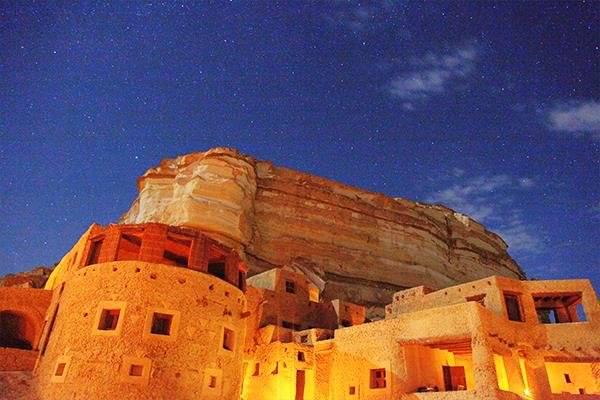
Gebel al-Mawta, also known as the "Mountain of the Dead," is a prominent conical hill located approximately one kilometer north of Shali in the Siwa Oasis, Egypt. This significant archaeological site serves as an ancient necropolis, honeycombed with rock-cut tombs that date back to the 26th Dynasty, as well as the Greek (Ptolemaic) and Roman periods. The local residents also refer to it as Gebel al-Musabbarin, meaning "Mountain of the Embalmed." The mountain's base and terraces are covered with these ancient burial sites, offering a unique glimpse into the funerary practices and artistic styles of the ancient Siwans.
Historically, Gebel al-Mawta has been a focal point for visitors and researchers. Early explorers like Browne (1792) and Hornemann (1798) noted the presence of tombs, with Hornemann mentioning findings of gold. Cailliaud, in 1819, was among the first to document drawings and paintings within the tombs, describing a remarkable tomb with three rooms and hieroglyphs. The site also holds a local tradition of emerald mines and is believed by some Siwans to be haunted, though they still seek shelter there during times of conflict or heavy rains.
Among the most notable tombs are that of Niperpathot, a Prophet of Osiris and Scribe of Divine Documents, which is one of the oldest and features red inscriptions. The Tomb of the Crocodile, excavated in 1941, depicts Hathor, Osiris, and various animals, including a crocodile. The Unfinished Tomb of Mesu-Isis is recognized for its striking red and blue cobra depictions at the entrance. Perhaps the most celebrated is the Tomb of Si-Amun, described as one of the most beautiful in the Western Desert, showcasing images from the Egyptian pantheon, including the goddess Nut. Despite some deterioration over time and past looting, these tombs continue to reveal valuable insights into the ancient inhabitants of the Siwa Oasis. The summit of Gebel al-Mawta offers panoramic views of the surrounding oasis, including palm groves, salt lakes, and the ruins of Shali fortress.