Attraction in Egypt
Tomb of Si Amun
About Tomb of Si Amun
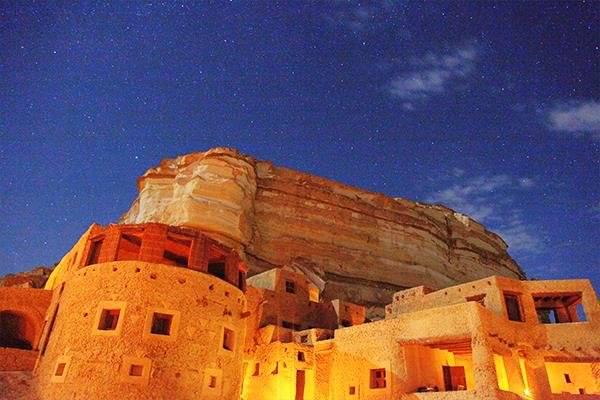
The Tomb of Si Amun is a significant ancient burial site located within the Gebel al-Mawta, also known as the Mountain of the Dead, in Egypt's Siwa Oasis. This necropolis, situated in the vast Western Desert approximately 1.5 kilometers northeast of Siwa town center, is a cone-shaped hill harboring thousands of tombs carved directly into its limestone bedrock. The Tomb of Si Amun itself dates to around the 3rd century BC, primarily reflecting the Late Period and Ptolemaic era of Egyptian history. It was discovered in October 1940.
The tomb belonged to Si-Amun, an individual of considerable importance, likely a prosperous landowner or merchant. Despite not holding official religious or administrative titles, his wealth allowed for the construction of one of the finest tombs in the necropolis. His name, "the man of Amun," suggests a follower of Egyptian religion, though his family background indicates possible Greek origins, highlighting the cultural blending prevalent in the Siwa Oasis during that period. The tomb's layout includes a courtyard, a flight of steps leading to a longitudinal chamber, and a burial chamber. During the Roman Period, additional recesses were carved into the walls for family burials.
What makes the Tomb of Si Amun particularly notable are its remarkably preserved and beautifully adorned interior paintings. These decorations, found on both the walls and ceiling, showcase a unique fusion of Egyptian and Hellenistic artistic traditions. Other intricate artwork includes representations of Si-Amun with his family, embalming rituals, and prayers to various deities like Osiris, Isis, and Amun. The exceptional skill of the artists, possibly brought from the Nile Valley, is evident in the detailed execution of the figures and clothing. The dry desert climate of Siwa has played a crucial role in preserving these delicate ancient pigments for centuries.
The Tomb of Si Amun stands as a prime example of the cultural adaptability of Egypt during the Ptolemaic period, where local customs seamlessly integrated with foreign influences to create distinctive funerary practices. It is considered the most important and aesthetically pleasing tomb within the Gebel al-Mawta necropolis, offering profound insights into ancient burial customs and the multicultural history of the Siwa Oasis.