Attraction in Egypt
Tomb of the Crocodile
About Tomb of the Crocodile
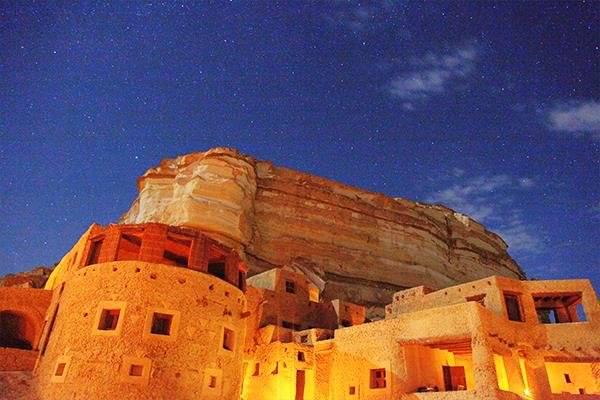
The Tomb of the Crocodile is an ancient burial site located at Gebel al-Mawta, also known as the Mountain of the Dead, within the Siwa Oasis in Egypt. This tomb was discovered in October 1940 and subsequently excavated in January 1941 by Ahmed Fakhry. It is believed to date back to the late Ptolemaic or early Roman Period, with some decorative elements comparable to those found in the nearby tomb of Si-Amun. The name "Tomb of the Crocodile" was given by local Siwans after the tomb was cleared and its distinctive paintings became visible.
The tomb consists of three rooms, each prepared with a layer of white plaster, and features an entrance facing east. While all walls were intended for decoration, only one room, situated just inside the entrance, retains significant adornment. The paintings, executed by an unskilled hand on poor quality plaster, depict various scenes. These include three headless figures holding knives, likely representing the four sons of Horus, intended to protect the tomb owner. Other depictions feature a seated Hathor, a stylized grape tree with blue and yellow foxes, and the tomb owner seated with the ram-headed god Amun. A notable painting shows a yellow crocodile with red scales. Further scenes illustrate the tomb owner worshipping Osiris, accompanied by Isis, and the god Thoth in the presence of Osiris.
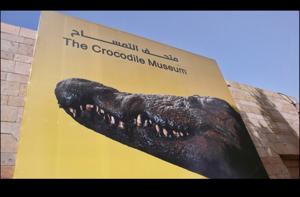
Although not considered a remarkable tomb in terms of artistic quality, its discovery suggests the presence of a cult dedicated to the crocodile god Sobek in the Siwa Oasis during the period of its construction. This connection is not entirely unexpected, as the isolated Siwa Oasis maintained historical ties with the Fayoum region, where Sobek was highly venerated. The tomb provides a glimpse into the religious beliefs and burial practices of the ancient inhabitants of this remote Egyptian oasis.